|
Together with:
|

|
|
|
|
Where there are two shades of iguanas, Pirates Week is a production, and the Mudslide made a name for itself...
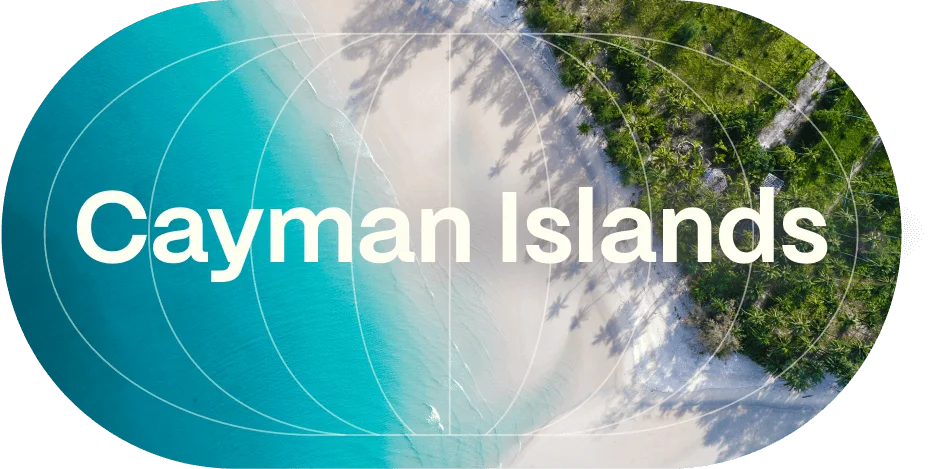
Think of the Cayman Islands, and the words “tax haven” may jump to mind, but there's so much more to this small, idyllic British overseas territory than banks and duty-free shopping. Powder-soft sand beaches, reefs teeming with turtles, beach bars serving heady rum cocktails: Cayman (as the locals call it) is a quintessential Caribbean escape.
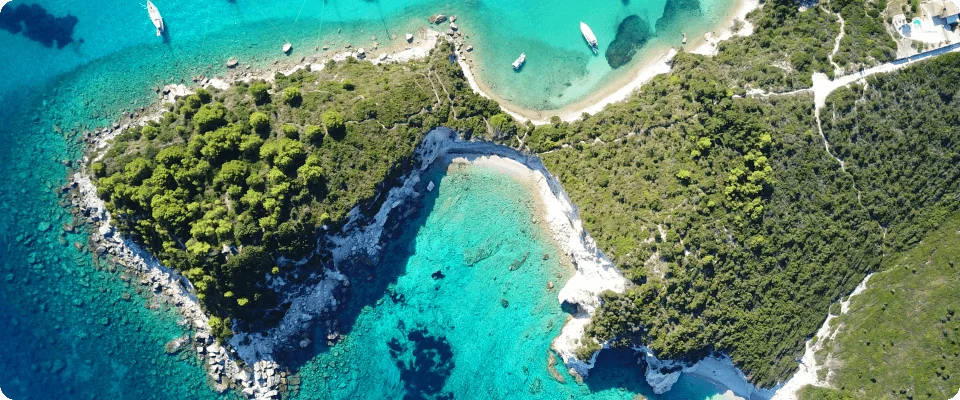
It’s made up of three islands with vastly different personalities: big and glamorous Grand Cayman, laid-back Cayman Brac, and tiny eco-haven Little Cayman. The first thing you’ll notice flying into Grand Cayman’s International Airport is how flat the islands are.
The highest point, The Bluff on Cayman Brac, sits at just 141 feet. This lack of height is counterbalanced by the surrounding sea’s extraordinary depths. The Cayman Trench descends 25,216 feet below sea level, making it the deepest point in the Caribbean Sea.
|
|
|

The ‘digital oil’ boom
$42 billion. That’s how much Facebook makes off American users’ data annually, and that’s just one company...
Almost all of today’s tech giants make money from their users’ data. No wonder data has been called the new oil. But Mode Mobile turned the data boom on its head, creating an opportunity for investors.
Mode’s software turns smartphones into passive income generators, paying users for their data. And by helping users earn and save $325M+, Mode has earned $60M+ in revenue.
Their 32,481% revenue growth made them Deloitte’s #1-ranked software company on its 2023 fastest-growing companies list. And Mode’s not stopping there, that’s why they recently reserved the Nasdaq ticker $MODE.
Don’t miss your chance to tap into the data boom.
Earn up to 100% bonus shares by investing in Mode now.
|
|
The land of turtles
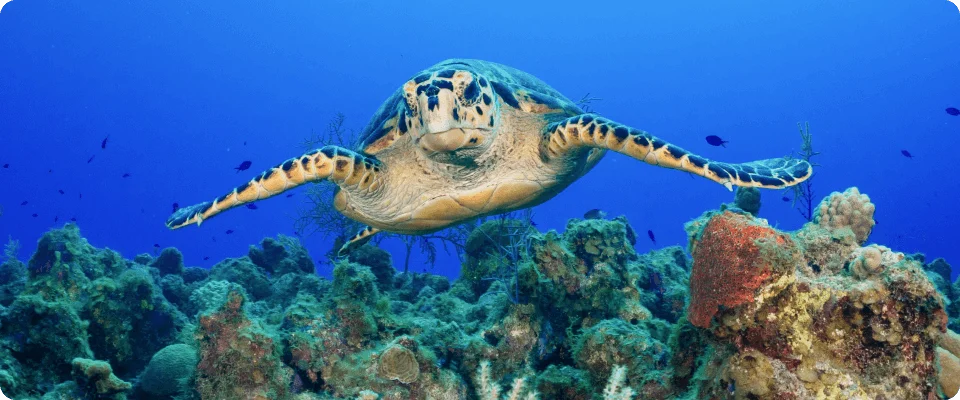
When Christopher Columbus first laid eyes on the uninhabited Cayman Islands in 1503, it wasn’t the beaches or even the total lack of people that struck him. It was the hundreds of sea turtles crawling on its shores that led Columbus to name the islands “Las Tortugas.”
The sheer number of turtles (a mix of green, loggerhead, leatherback, and hawksbill) eventually put the islands on the map. Ships began stopping off to poach turtle meat to feed their hungry sailors, a practice that depleted their numbers over the centuries.
Various conservation projects have helped boost local turtle populations, including a breeding program at the Cayman Turtle Centre in West Bay. Since its inception in the 1970s, they’ve successfully released over 30,000 green turtles into the wild.
The center has programs that allow visitors to learn more about the turtles (though some activities may be a little close to the animals for comfort). The center also controversially farms a small number of turtles for locals to buy and turn into traditional dishes. If you’re ever unsure about supporting a local business, consider the ethics behind their animal encounters.
Prefer to see turtles in the wild? Head to Spotts Beach in Savannah for a snorkel. Go first thing in the morning or at dusk, when the water is cooler and turtles swim over the reef to feed on the seagrass in the shallows. Just don’t get too close, and never try to touch their shells. Little Cayman is also a known turtle nesting spot between May and November. If you visit during these months and come across a nest, remember it’s fragile. Keep your distance, and avoid using your camera flash as turtles can be sensitive to white light.
|
|
Where are all the crocodiles?
Las Tortugas may have been the islands’ initial title. However, by the 1530s, they’d become more commonly known by the Carib Indian word “Caymanas” due to the dangerous marine crocodiles that lurked in their vast, thick mangrove swamps.
While they’ve all been hunted over the centuries, the name has stuck. This means you won’t spot a croc swimming alongside you in the sea (though there is an 11.5-foot-long rescued Cayman crocodile called Smiley living at the Cayman Turtle Centre).
|
|
|

Jumpstart your year with Headspace
Decrease stress and increase happiness in just 10 days with Headspace meditations, sleep resources, and more. Join our Ready, Set, Reset Challenge now.
|
|
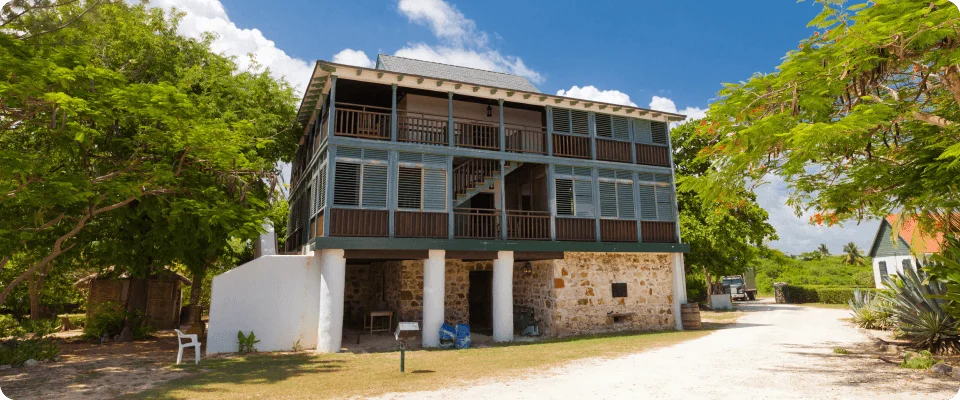
A haven for pirates, deserters, and runaways
Cayman’s history is eclectic to say the least. After being a turtle oasis for centuries, a ragtag collection of settlers—including runaway enslaved people, refugees fleeing the Spanish Inquisition, and deserting British soldiers from nearby Jamaica—strayed to Cayman’s shores in the 1600s.
The National Museum in George Town is worth the $12.50 entry fee and has heaps of information about Cayman’s early settlers.
There’s also Pedro St. James (known locally as Pedro’s Castle). The former plantation house was built by enslaved people in the early 1800s and is the oldest stone building still standing on the islands. It’s witnessed key historic moments over the centuries, being the site of the islands’ first elected Parliament in 1831 and where the Slavery Abolition Act was signed in 1835. Today, it’s a living museum (complete with an immersive theater show) that focuses on local history.
And it wouldn’t be the Caribbean without a fearsome pirate or two. While not as infamous as Jamaica or the Bahamas, Cayman was still a magnet for plunderers. Cayman Pirates Week, which takes place each November, is by far the best place to experience this side of the islands’ history. Hundreds of people (including professional actors) usually attend Grand Cayman’s festival in full pirate attire, and the main event is a staged kidnap of the islands’ governor in George Town Harbour—a fun, albeit a little Disney-esque, spectacle.
Read more
- Shipwrecks galore
- The tale of two iguanas
- Rum matured underwater and the invention of the Mudslide
|
|
GCM flight price history
|
|
$311 Average Going deal
|
|
$700 Normal ticket price
|
|
|
|

|
Interested in a trip to Cayman Islands?
Premium and Elite members can find, watch, and get alerts for specific destinations on their Watchlist.
|
|
|

|
|
With local expert:
Jemima Forbes
|
While now based in the UK, Jemima Forbes previously lived and worked in the Cayman Islands, including completing a stint for the islands’ national newspaper and several local lifestyle publications. She’s also written guides and feature articles on the Cayman Islands for Fodor’s Travel, Lonely Planet, and Culture Trip.
|
|
|
Share with a fellow travel lover by forwarding to a friend.
|
|
|
Get the app today 
|
|
|