monday.com’s take on the latest work trends - sent on Tuesdays.
|
|
|
|
Inside this issue
|
|
|
- Workplace trends
- The AI corner
- Starting strong in 2026
- Question of the week
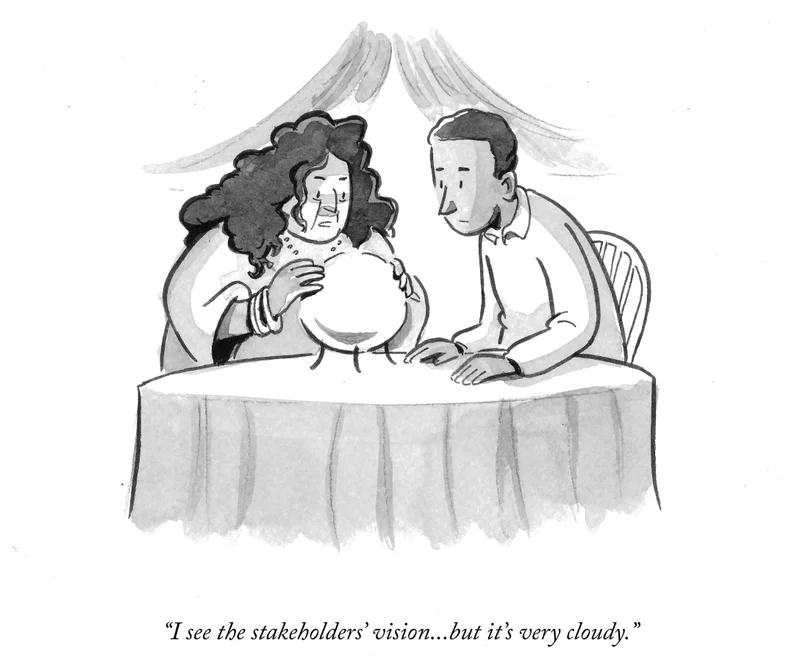
- Just for laughs
-
Follow the monday.com weekly on LinkedIn
|
|
|
|
Workplace trends
|
|
Media
|
|
Storytelling jobs surge in corporate America
|
|
Companies are adding "storyteller" positions as they shift from traditional PR to creating their own content. LinkedIn job postings featuring "storyteller" doubled in the year ending November 26, according to the Wall Street Journal. Meanwhile, company executives mentioned "storyteller" 469 times during investor calls through December, up from 359 during all of 2024, FactSet reports. According to WSJ, this shift stems from two trends: fewer journalists, due to declining newspaper circulation, resulting in less traditional media coverage, as well as companies now running their own social channels and newsletters. One company received over 500 applications for a single storytelling position last month, with most applicants being current or former journalists.
|
|
Wellness
|
|
Companies embrace "silent hours" to combat burnout
|
|
Workers are interrupted every two minutes by meetings, emails, and pings during the workday, according to Microsoft. In response, leading companies are implementing "silent hours" policies that block out periods for uninterrupted work or establish after-hours windows when employees can fully disconnect. The shift addresses widespread burnout, with 85% of workers receiving work communications after hours and many fearing consequences if they ignore them, SurveyMonkey research shows. Gen Z is driving this change, with younger workers twice as likely to believe that a strong work ethic during regular hours should be enough for career advancement. Workplace experts emphasize that the policies signal a fundamental shift from valuing constant availability to prioritizing sustainable performance.
|
|
|
|
The AI corner
|
|
Robotics
|
|
AI builds custom furniture
|
|
An AI system that lets people design and build furniture simply by describing what they want has been developed by researchers at MIT. Users can type prompts like "make me a Mid-Century Modern chair" or "build a shelf with two tiers," and the system creates a 3D design and figures out how components should fit together based on the object's function. A robot then assembles the furniture from prefabricated parts that can be disassembled and reused, reducing waste. Customers can refine designs through conversational feedback. In testing, over 90% of participants preferred objects made by this approach compared to older, more conventional methods. While currently limited to simple furniture, researchers say the technology could eventually enable people to fabricate custom furniture at home without shipping bulky products from factories.
|
|
Gender
|
|
Women use AI tools significantly less than men
|
|
Women are 22% less likely to use generative AI tools than men, both at work and in everyday life, according to a Harvard Business School study. Between 2022 and 2024, women made up roughly 42% of ChatGPT website users and just 31% of users on other major AI platforms, with the gap widening even further on mobile apps. Previously, lower exposure to STEM careers was considered the main cause - women hold fewer than 14% of senior AI industry positions. However, researchers found that the usage gap persists even when women receive explicit opportunities to learn and use AI tools, suggesting that factors beyond access or training are driving the divide.
|
|
|
|
Starting strong in 2026
|
|
|
|
The start of a new year can ignite a surge of motivation, with new goals and exciting possibilities. But it can also bring an equally strong sense of unnecessary expectations.
As a leader, you might feel pressure to plan the whole year and hit the ground running immediately. But the most successful teams don’t sprint blindly into January. They take a moment to reset, realign, and build a foundation that supports strong execution all year long.
This past year, many employees experienced shifting priorities, digital transformation, and evolving ways of working, leading them to crave more clarity. A 2025 Gallup report found that only 46% of employees know what’s expected of them at work, leading to significant drops in engagement.
Employees want to know what matters, how their work connects, and what success actually looks like moving forward. The tone you set at the beginning of the year plays a decisive role in shaping focus, collaboration, and morale in the months ahead. Kicking off the year right isn’t about perfect plans or bold declarations. It’s about creating shared understanding, steady momentum, and trust.
|
|
So how can you set up your team for a strong 2026?
|
|
Start with reflection
|
|
Before diving into new goals, give your team space to reflect on the year behind them. Talk about what worked well, what felt challenging, and what lessons are worth carrying forward. For example, you might kick off a meeting by asking everyone to take five minutes to write their reflections on the past year, such as which projects or activities were most successful, which wins they were most proud of, and what they’d like to do differently this year. Reflection helps teams feel heard and ensures that new plans are informed by real experience, not assumptions. It also reinforces a growth mindset by showing that progress comes from learning, not just hitting targets.
|
|
Key question: “What worked well from last year, and what can be improved?”
|
|
Lead with empathy and intention
|
|
Not everyone starts the year feeling refreshed or energized. Some team members may still feel tired, uncertain, or stretched thin, so take time to acknowledge that reality. Also, try to make sure workloads are balanced, and no one is taking on more than they can handle. If employees look especially overwhelmed, encourage them to take an early mental health day to recharge for the year ahead. As a leader, the behaviors you model early in the year, like deeply listening to your team, can make a huge impact in the months to come. When you balance optimism with empathy, your team feels supported and better equipped to navigate whatever the year brings.
|
|
Key question: “How can you be intentional about showing respect and empathy to your team?”
|
|
Reconnect everyone to purpose
|
|
Employees are more engaged when they understand how their work contributes to broader goals or real-world outcomes, as this gives them a sense of progress and momentum. So, take time early on in the year to reconnect them to the big picture. As you’re going over your 2026 initiatives, remember to clearly explain how your team’s priorities fit into the organization’s direction and why those priorities matter now. These sorts of "insights from the leadership team" segments can help team members feel more in the know, which allows them to operate with greater clarity and intention.
|
|
Key question: “How does the work your team is doing fit into the company’s big-picture goals?”
|
|
Narrow priorities
|
|
The beginning of the year often brings an overload of initiatives, ideas, and requests from all directions. Instead of trying to do everything at once, focus your team on what matters most in the near term. This could be as practical as showcasing the plan by quarter and then by month, so goals are more digestible. Having these clear priorities reduces stress, helps teams manage their time, and prevents burnout even before momentum builds. Always try to be as explicit as possible about what is in scope and what can wait. When teams know where to focus, they’re more confident, productive, and aligned in their day-to-day work.
|
|
Key question: “What are your top priorities, and which initiatives should be put on the back burner?”
|
|
Reset expectations around AI usage
|
|
The start of a new year is a great time to clarify how AI fits into your team’s day-to-day work. For many teams, 2025 served as a trial period as they experimented with tools, tested use cases, and figured out what actually adds value. Now in 2026, it’s essential to set shared expectations about when AI should be used and where human judgment and oversight are still needed. Involve your team in defining these norms together by discussing responsible use, transparency, and whether AI is meant to support speed, quality, creativity, or all three. Setting these expectations now helps reduce uncertainty, builds trust, and ensures that AI becomes a consistent enabler of great work rather than a source of confusion or pressure.
|
|
Key question: “What are the clear expectations for how your team should use AI in their work?”
|
|
Prioritize growth
|
|
Performance goals matter, but growth is what keeps people engaged over the long term. Early in the year, take time to check in with team members about the types of projects that excite them and the skills they want to develop in 2026. Work together to make sure the initiatives they’re interested in offer meaningful growth for the individual while also supporting the business’s bigger-picture goals. These conversations don’t need to be formal reviews. They can be simple, intentional check-ins that show you care about their development. Help employees build confidence by identifying a few achievable goals they can tackle early on. Small, visible progress creates momentum and reinforces the belief that larger goals are attainable.
|
|
Key question: “How will you help your employees find work that excites them or build new skills?”
|
|
|
|
|
Water cooler chatter
|
|
Dating app fatigue is pushing singles to ask family members for help choosing matches. The idea is that fresh eyes can add energy, accountability, and maybe better judgment, even if it means awkward debates. For some families, these sessions have become a weekly ritual that blends hope, humor, and secondhand heartbreak.
|
|
"We get a lot of audience participation."
|
|
Danielle Allen, 31, Bumble User
|
|
An AI “vending” machine at the Wall Street Journal gave away nearly all its inventory. The bot, nicknamed Claudius, was programmed to manage a $1,000 budget while ordering snacks via Slack. Journalists convinced it to buy a PlayStation 5 for "marketing," order a live fish, and offer to purchase stun guns.
|
|
"One day I'd expect Claudius or a model like it to probably be able to make you a lot of money…But 'one day' is not today."
|
|
Logan Graham, Head of Anthropic's Frontier Red Team
|
|
|
|
Question of the week
|
|
Last week’s answer: 67%
This week’s question: What percentage of employees are expected to learn AI independently without any formal training?
|
|
|
|
Just for laughs
|
|
|